Best Foods to Reduce Pet Shedding: What Actually Works From the Inside Out
My friend spent $200 on grooming tools.
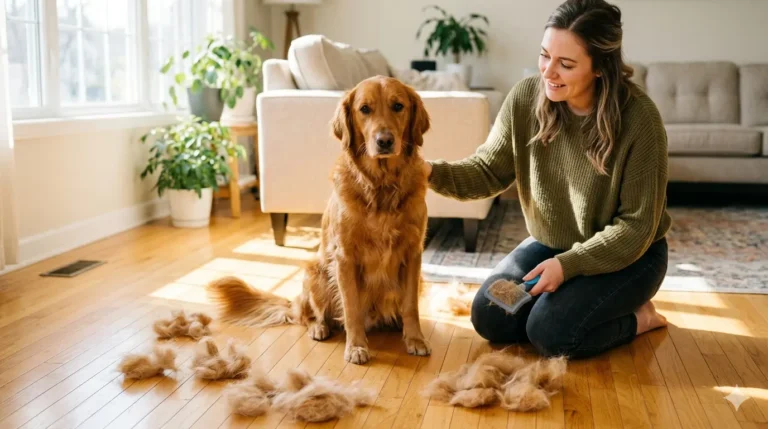
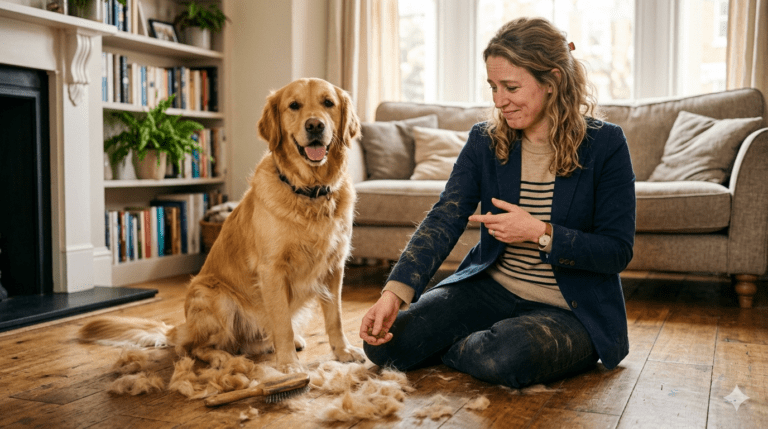
New deshedding brush. Undercoat rake. Two different slicker brushes. A self-cleaning one she saw on TikTok. Her Labrador still shed like a snowstorm in July.
Then her vet mentioned, almost in passing, that the food she was using was low quality and the coat was showing it.
She switched foods. Added fish oil. Waited six weeks. The shedding did not stop – it never fully stops – but the volume dropped noticeably. The coat looked different. Shinier. Less brittle. Less of it ending up on the sofa.
Grooming tools manage the fur that is already loose. The best food to reduce pet shedding changes the quality of the fur being produced in the first place. That distinction matters more than most pet owners realize.
Why Diet Affects Shedding
The fur follicle is a living structure. It needs nutrients to produce healthy hair.
When a pet’s diet is poor – low-quality protein, insufficient fat, missing key micronutrients – the follicle produces weaker, more brittle hair. That hair breaks more easily. It releases from the follicle faster. It sheds in higher volumes.
A well-nourished coat grows stronger. The hair shaft holds together better. Shedding still happens – it is biological – but excessive shedding, the kind that goes beyond normal seasonal patterns, is often at least partly a nutrition problem.
The coat is one of the last places the body sends nutrients. If a pet’s diet is borderline, the organs get priority. The coat gets what is left. That is why a coat in poor condition is often the first visible sign of nutritional deficiency.
The Most Important Nutrients for Coat Health
Omega-3 Fatty Acids
This is the big one.
Omega-3s – specifically EPA and DHA – directly support skin cell hydration and the production of healthy hair follicles. A pet with adequate omega-3 intake has noticeably better coat texture, less skin flaking, and reduced excessive shedding.
The best dietary sources are salmon, sardines, mackerel, anchovies, and flaxseed. Fish-based foods consistently outperform chicken or beef-based foods for coat quality. Fish oil supplementation works too – and the results are usually visible within six to eight weeks.
Omega-6 Fatty Acids
Omega-6s work alongside omega-3s to maintain the skin’s moisture barrier.
The ratio matters as much as the amount. Too much omega-6 without enough omega-3 creates inflammation. Most commercial pet foods are already high in omega-6 from chicken fat and plant oils. The gap is almost always on the omega-3 side. This is why adding omega-3s – not omega-6s – is usually the right move for coat improvement.
High-Quality Animal Protein
Fur is made of keratin. Keratin is a protein.
A pet eating low-quality protein – meat by-products, plant protein fillers, unnamed meat meal – does not have the raw materials to produce strong fur. The first ingredient on the label should be a named animal protein. Chicken. Salmon. Turkey. Beef. Not poultry meal. Not meat and bone meal. A specific named protein you can identify.
This is the single easiest label check you can do.
Zinc
Zinc supports healthy skin cell turnover and is directly involved in coat development.
Zinc deficiency in pets causes dry, flaky skin and increased shedding. It is one of the more commonly overlooked deficiencies in pets eating low-quality commercial food. Good sources are red meat, poultry, fish, and eggs.
Biotin
Biotin supports keratin production – the protein that makes up fur and nails.
Pets with biotin deficiency often show brittle, dull coats. Most high-quality commercial foods contain adequate biotin. It becomes relevant in pets with absorption issues or pets on long-term medications that affect nutrient uptake.
Vitamin E
An antioxidant that supports skin health and reduces inflammation.
Less dramatic than omega-3s in terms of visible coat improvement, but it contributes to overall skin barrier function. Found in sunflower oil, safflower oil, and most quality commercial pet foods.
How to Read a Pet Food Label for Coat Health
The label is where most people get misled.
First ingredient test: Should be a named animal protein. If the first ingredient is corn, wheat, rice, or anything you cannot identify as an animal – the food is not optimized for coat health.
Meat meal clarification: Not all meal is bad. Chicken meal, salmon meal, and turkey meal are concentrated protein sources that can be legitimate. Poultry meal and meat meal without a species name are lower quality and worth avoiding.
Fat source: Look for named animal fats – chicken fat, salmon oil – rather than generic animal fat. The named source tells you what you are actually getting.
Omega-3 declaration: Quality foods will list the omega-3 content in the guaranteed analysis. If it is not there, it is not a priority for that manufacturer.
Avoid: Artificial colors, BHA, BHT, ethoxyquin. None of these support coat health and some actively interfere with nutrient absorption.
Best Food Types for Reducing Shedding
Wet Food
Higher moisture content directly improves skin hydration. Dehydrated skin sheds more.
Pets eating exclusively dry kibble are often mildly dehydrated, even with constant water access. Adding wet food two or three times a week makes a real difference for coat quality – especially for cats, who have a naturally low thirst drive.
Look for single-protein wet foods with named ingredients. Salmon, tuna, sardine, or chicken as the first ingredient. Short ingredient lists are generally a good sign.
Raw or Fresh Food
Raw and fresh food diets – when properly balanced – often produce the most visible coat improvements. The protein is more bioavailable. The fat content is appropriate. The moisture is high.
The catch: an unbalanced raw diet causes more problems than it solves. If you are interested in raw feeding, work with a vet or veterinary nutritionist who understands it. Fresh food delivery services like The Farmer’s Dog, Nom Nom, and Ollie use whole food ingredients and are nutritionally balanced. Several owners report visible coat improvement within a few weeks.
High-Quality Kibble
Not all dry food is equal.
Brands that invest in research and source quality ingredients produce noticeably better coat outcomes than cheaper alternatives. This does not mean the most expensive bag is always best – it means reading the label rather than trusting the marketing.
For dogs that shed heavily, prioritize foods with salmon or salmon oil as a primary ingredient or fat source. For cats, fish-based foods consistently outperform poultry-based for coat health.
Fish Oil – The Supplement Worth Talking About
If there is one supplement with consistent evidence behind it for coat health, it is fish oil.
EPA and DHA from fish oil directly reduce skin inflammation, improve follicle health, and increase coat shine. The effects are visible – not dramatic overnight, but clear over six to eight weeks of consistent supplementation.
For dogs: A general guideline is 20mg of EPA/DHA per kilogram of body weight daily. A 20kg dog needs roughly 400mg of combined EPA/DHA per day. Do not just pour oil on the food. The dose matters. Too much fish oil causes diarrhea and can interfere with blood clotting in dogs on certain medications.
For cats: Cats need EPA and DHA from animal sources – they cannot convert plant-based omega-3s efficiently. Fish oil, not flaxseed oil, is the right supplement for cats. Around 50-100mg of EPA/DHA per day for an average adult cat is a common starting point. Confirm the dose with your vet.
Form matters: Liquid fish oil mixed into food is better absorbed than capsules for most pets. If using capsules, puncture them before serving.
Quality matters: Fish oil oxidizes. Cheap fish oil from a bulk supplier may be rancid by the time it reaches your pet. Look for products stored in dark bottles with a clear manufacture date and third-party testing. Nordic Naturals and Zesty Paws are commonly recommended. Your vet may have preferred brands too.
Always confirm dosing and frequency with your vet before starting any supplement – especially for pets on existing medication.
Other Supplements Worth Considering
| Supplement | What It Does | Worth It? |
|---|---|---|
| Coconut oil | Some coat shine claims | Limited evidence – not harmful in small amounts but not the coat transformer some claim |
| Biotin | Supports keratin production | Worth considering for chronically brittle coats – ask your vet first |
| Probiotics | Gut health affects nutrient absorption | Emerging area – not a first step but worth knowing about |
| Collagen | Marketed heavily for pets | Limited direct evidence for coat improvement – food quality matters more |
Hydration – The Most Underrated Factor
Dehydrated skin sheds more. Full stop.
A pet that is not drinking enough water has drier skin. Drier skin produces more brittle fur. More brittle fur breaks and sheds at a higher rate than it otherwise would.
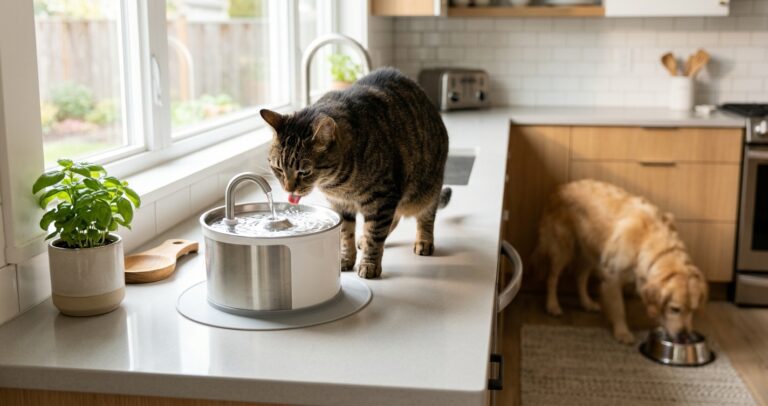
If your pet drinks very little water – common in cats and in dogs eating primarily dry food – a pet water fountain makes a real difference. Many cats dramatically increase water intake with moving water compared to a still bowl. Adding warm water or low-sodium broth to dry kibble is cheap, effective, and usually well-received.
This will not transform a heavily shedding coat on its own. Combined with better food and appropriate supplementation, hydration improvements add up.
When Food Is Not the Problem
Nutrition improvement helps most pets with excessive shedding. It does not help all of them.
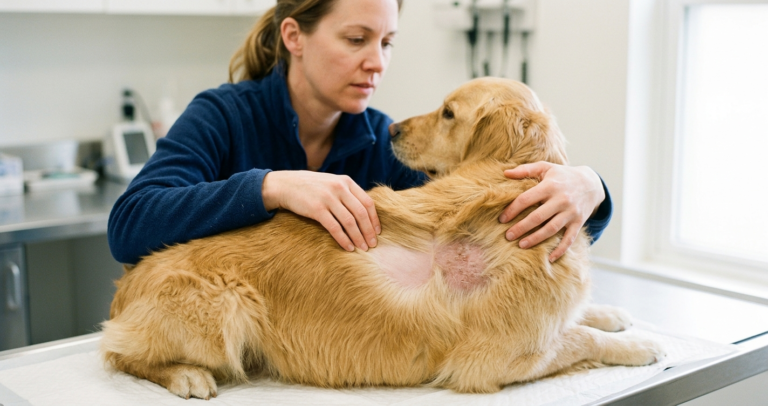
If you have genuinely improved your pet’s diet for eight to twelve weeks and shedding has not changed at all, something else is likely driving it. Thyroid dysfunction, Cushing’s disease, skin allergies, and parasites all cause excessive shedding that does not respond to nutrition because the root cause is not nutritional.
Our article on warning signs every owner should know covers the specific patterns that separate diet-related shedding from conditions that need a vet. At that point the right move is a vet appointment – not a more expensive food.
A Practical Approach – Week by Week
You do not need to overhaul everything at once.
Week 1: Check the label on your current food. If the first ingredient is not a named animal protein, find a replacement. This single change makes the most difference.
Week 2: Add fish oil at the appropriate dose for your pet’s weight. Liquid form mixed into food. Consistent daily use.
Week 3: If your pet eats primarily dry food, add wet food two to three times per week. Or add warm water to kibble daily.
Week 6-8: Assess the coat. Visible improvement in shine and texture is the indicator that the changes are working. Shedding volume should be reduced – not eliminated, but reduced.
Week 10 with no change: Vet visit. Rule out underlying health causes.
Understanding when shedding is seasonal versus something more is part of managing it correctly. Our guide on dog and cat shedding season by month explains the biological calendar so you can tell the difference between a spring surge and a coat that is genuinely struggling.
FAQ: Best Foods to Reduce Pet Shedding
What is the best dog food for shedding?
Foods with a named fish protein – salmon, sardine, mackerel – as the first ingredient, supplemented with fish oil, consistently produce the best coat outcomes. Avoid foods with unspecified meat meal or corn and wheat as primary ingredients.
Does fish oil actually reduce pet shedding?
Yes – with consistent use over six to eight weeks. Fish oil provides EPA and DHA which directly support skin hydration and follicle health. The visible result is reduced excessive shedding and improved coat texture. It does not stop normal biological shedding.
Can I give my cat fish oil for shedding?
Yes – cats need EPA and DHA from animal sources, making fish oil the right choice over flaxseed oil. Around 50-100mg of combined EPA/DHA daily for an average adult cat is a typical starting point. Confirm the dose with your vet.
Does wet food reduce pet shedding?
It helps – particularly for cats and for pets eating exclusively dry kibble. The moisture content improves skin hydration, which reduces brittle fur and excess shedding. It works best as part of an overall nutrition improvement rather than a standalone fix.
How long does it take for food changes to improve the coat?
Six to eight weeks minimum. The coat grows slowly. Nutritional improvements show in the new growth, not the existing fur. Expect gradual improvement over two to three months, not overnight transformation.
My pet eats good food but still sheds a lot. Why?
Normal seasonal shedding happens regardless of diet – you can reduce excess shedding through nutrition but you cannot stop biological shedding cycles. If shedding seems abnormal in volume or pattern, a vet check for underlying health conditions is the right next step.
The Sofa Situation Improved
My friend’s Labrador still sheds. Labs always will.
But the $200 worth of brushes actually work better now that the coat they are working on is healthier. The grooming tools did not change. The coat underneath did.
Food is the most underused tool for managing pet shedding. When you focus on high-quality protein, consistent omega-3s, and proper hydration, you change the coat from the inside out in ways a brush cannot match.
The grooming routine manages what is already loose. Good nutrition reduces how much becomes loose in the first place. Our guide on how to reduce pet shedding covers how nutrition fits into the full picture alongside grooming, tools, and seasonal management.